
What is PCOS?
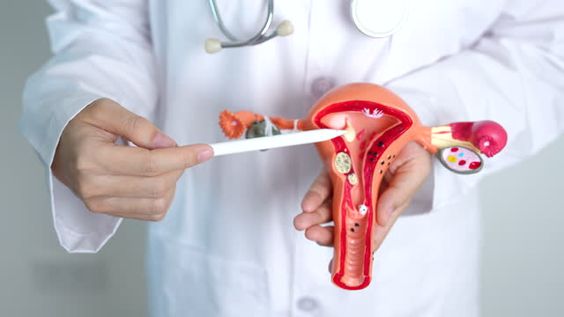
A hormonal condition known as polycystic ovary syndrome (PCOS) affects many women all over the world. Menstrual irregularities, hormonal imbalances, and occasionally ovarian cysts are some of the signs that define it. The causes, signs, diagnoses, and treatment options for PCOS will all be covered in this article.
Polycystic ovary syndrome, or PCOS, is a prevalent hormonal condition that affects women’s reproductive systems. It happens when there is an imbalance in the levels of some hormones, which can result in a variety of symptoms and potential complications.
Understanding the Causes
Although the precise etiology of PCOS is still unknown, several factors have a role in its emergence. These include genetic susceptibility, insulin resistance, and hormonal abnormalities. The regular operation of the ovaries is interfered with by hormonal imbalances, such as elevated androgen levels, which also lead to cyst formation.
Recognizing the Symptoms

There are numerous symptoms associated with PCOS, and each person’s symptom severity may differ. The most typical signs of menstrual irregularity include heavy or protracted periods, acne, hirsutism (excessive hair growth), and weight gain. Additionally, some women may struggle with depression, mood changes, and fertility problems.
Diagnosing PCOS
Diagnosing PCOS can be challenging as the symptoms overlap with other conditions. A medical professional will consider a patient’s medical history, perform a physical examination, and conduct blood tests to evaluate hormone levels. Ultrasound imaging may also be used to assess the presence of ovarian cysts.
Potential Complications
If left untreated, PCOS can lead to various long-term health complications. Women with PCOS have an increased risk of developing type 2 diabetes, high blood pressure, and cardiovascular diseases. It can also cause difficulties in conceiving and may impact mental health.
Treatment Options

PCOS cannot be cured, but symptoms can be managed and potential consequences can be avoided with medication and lifestyle adjustments. Hormone balance and insulin resistance can be improved with regular exercise, a healthy diet, and weight loss. To manage symptoms like excessive hair growth and regulate the menstrual cycle, doctors may prescribe hormone contraceptives and other medicines.
Managing PCOS-Related Infertility
There are numerous treatment options available for women who are experiencing infertility as a result of PCOS. Ovulation can be induced by fertility drugs like clomiphene citrate, which increases the likelihood of conception. In some circumstances, IVF or other assisted reproductive technologies may be suggested.
Emotional Support and Mental Health
PCOS-related symptoms can occasionally cause emotional anguish and mental health issues. To manage stress, anxiety, and depression, it might be good to reach out to close friends and family for emotional support, join support groups, and speak with mental health specialists.
In conclusion, Polycystic Ovary Syndrome (PCOS) is a complex hormonal condition that affects many women all over the world. Effective management depends on being aware of its causes, recognizing its symptoms, and getting a quick diagnosis. Women with PCOS can live happy lives and reduce the dangers associated with this condition by changing their lifestyles, taking prescribed medications, and getting emotional support. It is crucial to speak with a healthcare provider for a proper assessment and recommendations if you think you might have PCOS or are experiencing any symptoms that are connected.
