
Blog

Understanding the Symptoms, Risks, and Treatment Options for Chronic Migraine

Chronic migraine is a neurological illness that can significantly impact a person’s quality of life. This article aims to provide a comprehensive review of chronic migraines, including symptoms, potential implications if left untreated, and the best treatment options. All material offered is backed up by trustworthy sources, assuring accuracy and dependability.

(Image source: Nik Shuliahin from Unsplash)

I. What exactly is Chronic Migraine?

A chronic migraine headache is defined as 15 or more headaches per month for at least three months, with at least eight of those headaches being migraines. Migraine attacks are commonly accompanied by severe throbbing or pulsating pain on one side of the head that can last for hours or even days (Mayo Clinic, 2020).

II. Chronic Migraine Symptoms:

1. Chronic migraines cause moderate to severe headaches typically accompanied by pulsating or throbbing sensations.

2. During a migraine attack, those with chronic migraines may have increased sensitivity to light/photophobia and sound/phonophobia (American Migraine Foundation, n.d.).

3. Nausea and Vomiting: Nausea and vomiting are very frequent symptoms of chronic migraines (Mayo Clinic, 2020).

4. Aura. Some people may have an aura before or during a migraine attack, which can appear as visual anomalies such as flashing lights or blind areas (National Institute of Neurological Disorders and Stroke, 2021).

Dangers of Chronic Migraine Left Untreated:

1. Increased Disability: Chronic migraines can impair an individual’s capacity to accomplish everyday tasks, resulting in decreased productivity and a general loss of quality of life (Mayo Clinic, 2020).

2. Medication Overuse: Using over-the-counter pain relievers on a regular basis to treat persistent migraines can result in medication overuse and, worsening the disease (American Migraine Foundation, n.d.).

3. Untreated chronic migraines have been related to an increased risk of developing mood disorders such as depression and anxiety (Mayo Clinic, 2020).

4. Stroke and Cardiovascular Diseases: Some studies suggest that those who have chronic migraines are more likely to have a stroke or develop cardiovascular disease, but more research is needed to establish a clear link (The American Migraine Foundation, n.d.).

IV. Ideal Treatment and Medications:

1. Changes in lifestyle can help lessen the frequency and intensity of chronic migraines by identifying and avoiding triggers such as particular meals, stress, or a lack of sleep (Mayo Clinic, 2020).

2. Acute Medications: Nonsteroidal anti-inflammatory drugs (NSAIDs), which are over-the-counter pain relievers, can help with migraine symptoms. Triptans, a form of prescription medication, are also commonly used to alleviate symptoms (From the American Migraine Foundation, n.d.).

3. Preventive medications: Preventive medications may be given to those who suffer from frequent and severe chronic migraines. These include beta-blockers, antidepressants, and antiepileptic medications (Mayo Clinic, 2020).

4. Non-pharmacological Approaches: Acupuncture, biofeedback, and cognitive-behavioral therapy can be used in conjunction with medications to treat chronic migraines (National Institute of Neurological Disorders and Stroke, 2021).

Conclusion:

Chronic migraines may have a significant impact on an individual’s quality of life if left untreated. Understanding the symptoms, potential hazards, and treatment options is essential for effective management. Individuals with chronic migraines may recover control of their lives and reduce the burden of this devastating illness by making lifestyle changes, utilizing appropriate acute and preventative drugs, and investigating non-pharmacological alternatives.

References:

1. American Migraine Foundation. (n.d.). Chronic Migraine. Retrieved from https://americanmigrainefoundation.org/resource-library/chronic-migraine/

2. Mayo Clinic. (2020). Chronic migraine. Retrieved from https://www.mayoclinic.org/diseases-conditions/chronic-migraine/symptoms-causes/syc-20354021

3. National Institute of Neurological Disorders and Stroke. (2021). Migraine Information Page. Retrieved from https://www.ninds.nih.gov/Disorders/All-Disorders/Migraine-Information-Page


Vape: The Silent Killer

(Image source: Wild Vibes from Unsplash)

The use of electronic cigarettes, commonly known as vaping, has experienced a surge in popularity in recent times. However, alongside its rise, concerns regarding the safety of vaping have also escalated. 


Recent studies suggest that vaping may be as, if not more, detrimental to health compared to smoking. The American Lung Association (2021) highlights that numerous e-juices contain harmful chemicals like diacetyl, acrolein, and formaldehyde, which can pose significant risks to one’s well-being when inhaled. These substances have been linked to respiratory issues such as bronchitis and asthma, in some cases, they have even been associated with the development of cancer and other severe health complications.

Chemicals found in E-juice

According to the American Lung Association’s study (2021), diacetyl, which is used to add a buttery flavor, has been related to a disease known as popcorn lung, which causes respiratory difficulties. Popcorn lung is a potentially fatal respiratory condition that causes coughing, wheezing, and shortness of breath. Another component contained in e-juice, acrolein, can cause respiratory difficulties as bronchitis and asthma (Goniewicz et al., 2014). Certain e-juices contain formaldehyde, a recognized carcinogen that can cause cancer and other serious health issues (Farsalinos et al., 2015). These substances have the potential to create long-term health issues, and it is critical to be informed of the hazards linked with vaping.

(Images Source: Vaporesso from Unsplash)

Respiratory Health Risks of Vaping

According to the Centers for Disease Control and Prevention (2021), vaping involves inhaling vapor straight into the lungs, which can damage lung tissue and create respiratory issues. Vaping has been linked to chronic bronchitis and emphysema (Polosa et al., 2014). Chronic bronchitis is an inflammatory condition of the bronchial tubes that causes coughing and breathing difficulties. Emphysema is a lung illness that damages the air sacs, making it harder to breathe. These respiratory problems can be serious and cause long-term health problems.

Explosion Risks

Vaping devices, as indicated in a new study by Brownson et al. (2016), are powered by batteries, and when these batteries are broken or poorly charged, they might explode. 

Numerous stories have surfaced of vaping devices exploding, resulting in significant injuries and even fatalities (Centers for Disease Control and Prevention, 2021). These explosions have the potential to cause burns, injuries, and even death. It is critical to be informed of the hazards related to vaping devices and to take precautions to reduce these risks.

(Image Source: Doon Gabriel Baleva from Unsplash)

The “Silent Killer”

According to the American Lung Association (2021), vaping has gained the title of “silent killer” since the linked health concerns frequently appear years after consumption. Unlike smoking, which can result in rapid respiratory problems, the long-term risks of vaping may take longer to manifest. 

As a result, many vapers may be unaware of the long-term health hazards linked with vaping. It is vital to be informed of the hazards involved with vaping and to take precautions to reduce these risks.

Preventive Measures

To protect oneself from the dangers of vaping, one must be aware of the risks and take precautions to limit exposure to dangerous substances. According to Farsalinos et al. (2015), it is best to use e-juices that do not include diacetyl, acrolein, or formaldehyde. 

Additionally, vaping devices that have been connected to explosions should be avoided (CDC, 2021; Brownson et al., 2016). We may reduce the hazards connected with vaping by being educated and making informed decisions.

(Image Source: Chiara Summer from Unsplash)

Education and Awareness:

According to Miech et al. (2019), teaching young people about the dangers of vaping is critical. Parents and guardians should have open discussions with their children about the possible long-term health concerns of vaping. 

It is important to educate young people about the dangers of vaping and to urge them to make healthy choices. We can assist in lessening the hazards connected with vaping and safeguard the health of our communities by working together.

Conclusion:

Vaping, which was once thought to be a safer alternative to smoking, is now recognized as a major health risk. The dangers of vaping are highlighted by the chemicals in e-juice, respiratory concerns, and the possibility of explosions. 

We can reduce the hazards connected with vaping and protect public health by being aware, making informed decisions, and educating others. It is critical to be informed of the hazards involved with vaping and to take precautions to reduce these risks.

References:

– American Lung Association. (2021). “E-Cigarettes and Lung Health.” Retrieved from www.lung.org/quit-smoking/e-cigarettes-vaping/e-cigarettes-and-lung-health.

– Brownson, E. G., Thompson, C. M., & Goldsberry, S. (2016). Explosions and burns caused by e-cigarette use. Journal of Burn Care & Research, 37(4), e324-e327.

– Centers for Disease Control and Prevention. (2021). “Electronic Cigarettes (E-cigarettes).” Retrieved from www.cdc.gov/tobacco/basic_information/e-cigarettes/index.htm.

– Farsalinos, K. E., Kistler, K. A., Gillman, G., & Voudris, V. (2015). Evaluation of electronic cigarette liquids and aerosol for the presence of selected inhalation toxins. Nicotine & Tobacco Research, 17(2), 168-174.

– Goniewicz, M. L., Knysak, J., Gawron, M., Kosmider, L., Sobczak, A., Kurek, J., … & Benowitz, N. (2014). Levels of selected carcinogens and toxicants in vapour from electronic cigarettes. Tobacco Control, 23(2), 133-139.

– Miech, R. A., Patrick, M. E., O’Malley, P. M., Johnston, L. D., & Bachman, J. G. (2019). Trends in reported marijuana vaping among US adolescents, 2017-2019. JAMA, 323(5), 475-476.

– Polosa, R., Morjaria, J. B., Caponnetto, P., Caruso, M., Strano, S., & Battaglia, E. (2014). Evidence for harm reduction in COPD smokers who switch to electronic cigarettes. Respiratory Research, 15(1), 1-10.

The Silent Struggle: Understanding and Coping with Depression

What is Depression?

(Image Source: Gadiel Lazcano from Unsplash)

Depression is a mental illness where you experience depressive symptoms such as sadness, hopelessness, and emptiness. It can interfere with your sleep, appetite, and energy levels, making it challenging to do everyday tasks. Additionally, shame, worthlessness, and a loss of interest in previously enjoyed activities can be symptoms of depression. It’s critical to get assistance if you’re displaying signs of depression.

Millions of people all around the world suffer from the widespread and crippling mental health illness of depression. Finding effective coping and treatment methods requires a thorough understanding of what depression is. This blog article will examine all-natural treatments for depression.

Recognizing the Signs of Depression:

(Image Source: Kristina Tripkovic from Unsplash)

Finding effective coping methods begins with understanding what depression entails. Numerous symptoms of depression include lingering melancholy, loss of interest, and adjustments to eating or sleep schedules. To assess whether someone may be experiencing depression, it is critical to recognize the following symptoms:

  1. Persistent sadness or low mood 
  2. Loss of interest or pleasure in activities
  3. Changes in appetite or weight
  4. Sleep disturbances 
  5. Fatigue or loss of energy 
  6. Feelings of worthlessness or guilt 
  7. Difficulty concentrating or making decisions 
  8. Physical symptoms 

Nurturing Your Mental Well-being:

Self-care is essential while dealing with depression. Activities that support mental health can help symptoms and mood in general. Deep breathing exercises and mindfulness meditation can both help lower anxiety and stress levels. Regular exercise also generates feel-good endorphins, which can assist with depression symptoms.

Finding Support Systems:

(Image Source: Priscilla Du Preez from Unsplash)

Nobody needs to experience depression on their own. It may be quite beneficial to seek out help from friends, family, or a support group. Joining online forums or being upfront about your issues with loved ones might give you a feeling of community and understanding. Sharing stories and solutions with others who have had comparable difficulties may be reassuring and provide insightful information.

Healthy Lifestyle Choices:

(Image Source: Jared Rice from Unsplash)

When coping with depression, the link between physical and mental health should not be disregarded. A nutritious, well-balanced diet has a good effect on mood and energy levels. The importance of avoiding excessive alcohol intake and embracing enough sleep cannot be overstated. Setting up a routine and doing things you like helps foster a supportive atmosphere for mental well-being.

Seeking Therapeutic Approaches:

Professional help and therapy play a vital role in overcoming depression. Therapists can help you develop coping strategies tailored to your specific needs while providing a safe space for expression and exploration of underlying issues. Cognitive-behavioral therapy (CBT) has shown remarkable results in addressing depression by reframing negative thought patterns and fostering healthier coping mechanisms.

Engaging in Mindful Activities:

Incorporating activities that promote mindfulness and self-expression into daily life can be immensely beneficial. Journaling thoughts and emotions, practicing creative outlets like painting or writing, or engaging in hobbies can provide a sense of accomplishment and fulfillment. These outlets offer an opportunity to express feelings, release stress, and gain perspective.

Embracing Nature and Sunshine:

Spending time outside, soaking up the sun, and getting close to nature may all be beneficial for mental health. Sunlight exposure raises vitamin D levels, which have been associated with mood enhancement. Walking, gardening, or simply being in a natural setting can all help to lower stress, improve mood, and lessen the effects of depression.

In conclusion, depression is a multifaceted condition that affects people in different ways. By understanding what depression is, recognizing its signs, and utilizing natural coping strategies, one can begin the journey toward recovery. Remember, seeking professional help, building support systems, and practicing self-care are vital steps toward effectively managing and overcoming depression.

Disclaimer: It is important to remember that while natural coping strategies can play a significant role in managing depression, seeking professional guidance is crucial in severe cases or when symptoms persist. Always consult with a healthcare professional to discuss treatment options and ensure the most appropriate care.

References:

– John Hopkins Medicine. Understanding Depression. Retrieved from: https://www.hopkinsmedicine.org/health/conditions-and-diseases/depression 

– National Institute of Mental Health. Depression. Retrieved from: https://www.nimh.nih.gov/health/topics/depression 

– Centers for Disease Control and Prevention from: https://www.cdc.gov/mentalhealth/cope-with-stress/index.html

– American Psychological Association. Depression: How Psychotherapy Helps People Recover. Retrieved from: https://www.apa.org/topics/depression/overcoming#:~:text=Psychotherapy%20can%20help%20people%20with,or%20adapt%20to%20those%20situations

– World Health Organization. Depression. Retrieved from: https://www.who.int/news-room/fact-sheets/detail/depression

The Benefits of Intermittent Fasting: How It Can Improve Your Health and Longevity

People are always looking for practical solutions to enhance their health and lengthen their lives in today’s fast-paced society. A remarkable method that not only helps people lose excess weight but also unleashes a wealth of health advantages is intermittent fasting. 

This article will explore the benefits of intermittent fasting that are supported by science and give you insightful information on how it might improve your life. Prepare to learn why this age-old technique is becoming more popular and how it might improve your physical and emotional health.

What is Intermittent Fasting?

(Image source: iStock)

Before discussing the benefits of intermittent fasting, let’s first examine its intricacies. Intermittent fasting may be defined as an eating pattern that alternates between periods of fasting and eating. 

Contrary to traditional diets, intermittent fasting emphasizes when you eat rather than what you eat. Since ancient times, humans have practiced this habit as a way to provide our bodies vitality and enhance overall health.

Here are the Four Intermittent Fasting Benefits:

Intermittent fasting has numerous benefits that have been backed by scientific research. Here are some of the most compelling reasons why people turn to intermittent fasting:

1. Increased Weight Loss and Metabolic Function

(Image source: Fuu J from Unsplash)

Intermittent fasting has received interest because of its capacity to promote weight reduction and improve metabolic function. According to research by Mattson and his coworkers (2014), intermittent fasting increases metabolism and encourages fat burning, which leads to considerable weight reduction and a drop in body fat percentage.

2. Hormone Regulation and Improved Insulin Sensitivity

Another advantage of intermittent fasting is how it affects hormone balance, especially in terms of controlling appetite. Intermittent fasting may help manage important hormones like ghrelin and leptin, which can lessen cravings and enhance appetite control, according to studies cited by Varady et al. (2011). Moreover, studies by Gabel and his group from 2019 show that fasting improves insulin sensitivity, which is good for general health.

3. Cellular Renewal and Autophagy

(Image source: National Cancer Institute from Unsplash)

Autophagy, a cellular repair process triggered by intermittent fasting, has gained attention for its potential health benefits. During fasting, the body goes through a self-cleansing mechanism, recycling and rejuvenating damaged cells and proteins. 

This cellular renewal process has been linked to the prevention of various diseases, such as neurodegenerative conditions. Alirezaei and his colleagues (2010) found that short-term fasting induces profound neuronal autophagy, highlighting the potential benefits for cellular health.

4. Enhanced Brain Function and Mental Clarity

(Image Source: Daniel Oberg from Unsplash)

Intermittent fasting has demonstrated potential in fostering ideal brain health in addition to its impacts on weight loss and metabolism. According to Mattson (2014), intermittent fasting has been linked to enhanced cognitive function, memory, and learning ability. 

Energy consumption and exercise both play critical roles in maintaining brain health. Additionally, studies point to a possible link between fasting and a lower risk of neurodegenerative diseases including Alzheimer’s and Parkinson’s.

How to do Intermittent Fasting?

(Image Source: VD Photography Unsplash)

Harris (2018) explains intermittent fasting as a dietary strategy that entails alternating between times of fasting and eating in a blog post. The 16/8 approach, in which people fast for 16 hours and eat inside an 8-hour window, is one well-known technique stated. 

Another strategy that has been mentioned is the 5:2 method, in which people eat normally for five days and limit their caloric intake to 500–600 calories on two separate days.  

Finding the intermittent fasting technique that works best for you and easing into it gradually is crucial, say Patterson and Sears’ (2017) research, in order to prevent any harmful impacts. Additionally, they stress the value of consuming calorie-free drinks like water, coffee, and tea during fasting in order to keep hydrated. 

In addition, it is advised to keep up a healthy, balanced diet throughout the eating window to guarantee optimal nutrient intake. Before implementing any new dietary strategy, it is usually advisable to get medical advice (Patterson & Sears, 2017).

In conclusion, there are several advantages of intermittent fasting that go beyond weight reduction. Intermittent fasting has been shown to accelerate cellular repair, control hormones, enhance metabolic function, and improve brain health. 

As usual, seeking advice from a medical expert is crucial before beginning any new dietary regimen. Keep in mind that not everyone can benefit from intermittent fasting, and requirements might vary.

References:

Mattson, M. P., Longo, V. D., & Harvie, M. (2014). Impact of intermittent fasting on health and disease processes. Ageing Research Reviews, 39, 46-58.

Varady, K. A., Bhutani, S., Klempel, M. C., Kroeger, C. M., Trepanowski, J. F., Haus, J. M., … & Calvo, Y. (2011). Alternate day fasting for weight loss in normal weight and overweight subjects: a randomized controlled trial. Nutrition Journal, 10(1), 1-10.

Gabel, K., Hoddy, K. K., Haggerty, N., Song, J., Kroeger, C. M., Trepanowski, J. F., … & Mattson, M. P. (2019). Effects of 8-hour time restricted feeding on body weight and metabolic disease risk factors in obese adults: A pilot study. Nutrition and Healthy Aging, 4(4), 345-353.

Alirezaei, M., Kimball, C. C., Flynn, C. T., Wood, M. R., Whitton, J. L., & Kiosses, W. B. (2010). Short-term fasting induces profound neuronal autophagy. Autophagy, 6(6), 702-710.

Harris, L. (2018). Intermittent fasting: What is it and how does it work? Medical News Today. Retrieved from https://www.medicalnewstoday.com/articles/321690

Patterson, R. E., & Sears, D. D. (2017). Metabolic effects of intermittent fasting. Annual Review of Nutrition, 37, 371-393. doi: 10.1146/annurev-nutr-071816-064634

The Benefits of Vaccines: Protecting Individuals and Communities

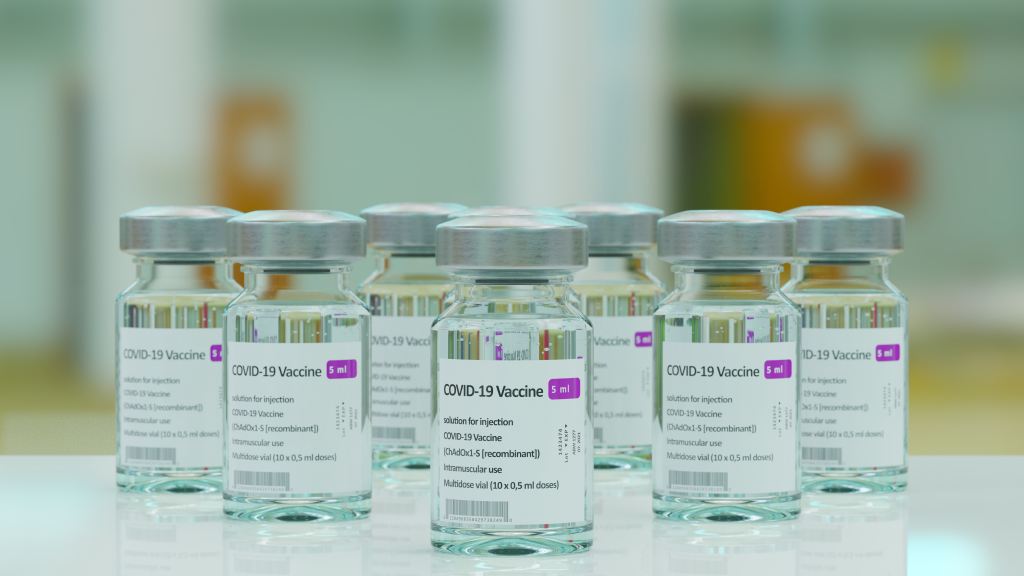
Image Source: Braňo (Unsplash)

“Why do we need vaccines?” is a question that has become increasingly relevant in recent times, as the world grapples with the COVID-19 pandemic and the importance of vaccination in preventing the spread of the virus.

One of the best methods we have for preventing infectious diseases is vaccination. They function by triggering the immune system to create antibodies that can identify and combat particular infections. Polio, measles, and smallpox are only a few of the deadly diseases whose prevalence has been significantly decreased because of vaccinations. We shall examine the advantages of vaccines and the data proving their efficacy in this post.

Vaccines protect individuals from disease

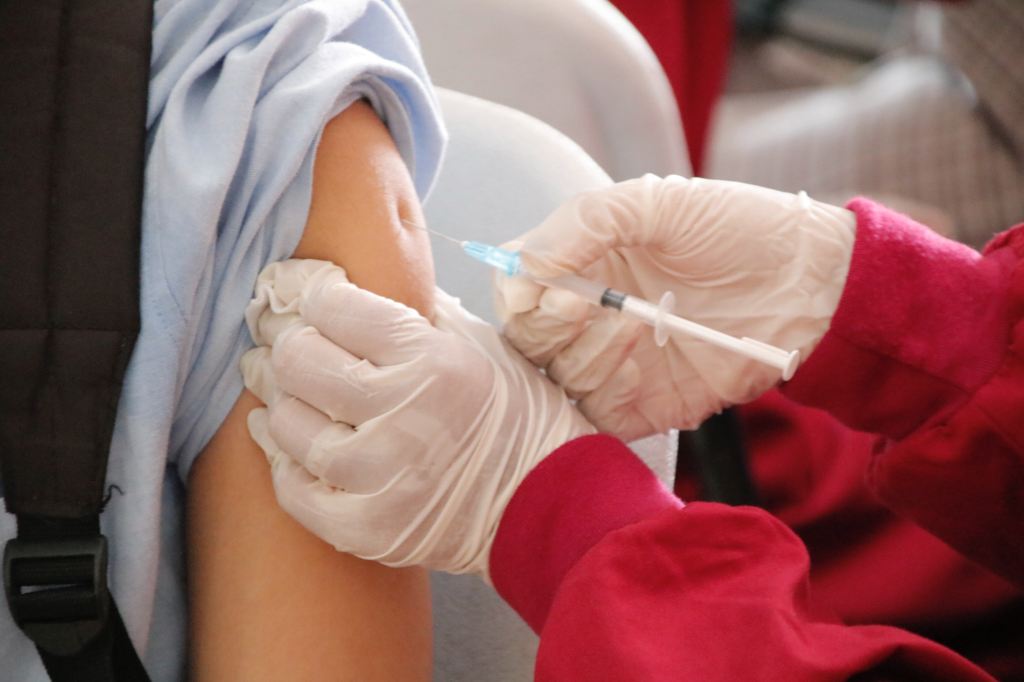
Image Source: Ed Us (Unsplash)

The main advantage of immunizations is that they keep people healthy. By encouraging the immune system to develop antibodies that can recognize and combat particular invaders, vaccines work to prevent illnesses. This implies that those who have received the vaccination have a lower risk of becoming ill if they are exposed to the disease.

The measles vaccine, for instance, is very successful at preventing measles. Two doses of the measles vaccine are roughly 97% effective at preventing measles, according to the Centers for Disease Control and Prevention (CDC). Therefore, those who have received the measles vaccine have a significantly lower risk of becoming ill if they are exposed to the virus.

Vaccines protect communities from disease

In addition to protecting individuals, vaccines also protect communities from disease. When a large percentage of the population is vaccinated, it creates herd immunity, which means that the disease is less likely to spread. This is because the virus or bacteria has fewer opportunities to infect people who are vaccinated.

For instance, the polio vaccine played a crucial role in the eradication of polio in many regions of the world. This is due to the fact that the poliovirus has fewer opportunities to spread when a significant portion of the population is immunized. This safeguards not just those who have received the vaccination but also those who cannot receive it, such as infants and those with compromised immune systems.

Vaccines are safe and effective

Image Source: Mika Baumeister (Unsplash)

Before becoming effective and safe for use, vaccines undergo extensive testing. To guarantee that vaccines are both safe and effective, the FDA mandates extensive testing on both humans and animals. Numerous clinical trials that involve thousands of participants are part of this testing.

Vaccines are among the safest medical medicines currently on the market, according to the CDC. Serious adverse effects are uncommon, and immunization has many more advantages than disadvantages. The CDC adds that vaccines are continuously examined for safety, and any issues are carefully looked into.

Vaccines save lives and reduce healthcare costs

Image Source: Mafid Majnun (Unsplash)

Polio, measles, and smallpox are only a few of the deadly diseases whose prevalence has been significantly decreased because of vaccinations. Because of this, morbidity and mortality from these diseases have significantly decreased. For instance, the CDC estimates that since 2000, the measles vaccination has helped to avert 200 million instances of the disease as well as 4.5 million fatalities.

Vaccinations not only save lives but also save money on medical expenses. There are fewer hospitalizations and medical costs when fewer people get sick. For people, families, and healthcare systems, this can result in huge financial savings.

Therefore, one of the best methods we have for preventing infectious diseases is vaccination. They are safe and effective, save lives, lower healthcare costs, and protect individuals and communities from disease. It is vital to discuss any vaccine-related concerns you may have with your healthcare professional. They can give you accurate information and support your decision-making on immunization.

References:

  1. Centers for Disease Control and Prevention. (2021). Vaccine safety. Retrieved from https://www.cdc.gov/vaccinesafety/index.html
  2. Centers for Disease Control and Prevention. (2021). Measles vaccination. Retrieved from https://www.cdc.gov/measles/vaccination.html
  3. Centers for Disease Control and Prevention. (2021). Polio vaccination. Retrieved from https://www.cdc.gov/polio/vaccination.html
  4. World Health Organization. (2021). Immunization coverage. Retrieved from https://www.who.int/news-room/fact-sheets/detail/immunization-coverage

Unmasking the Dark Impact: How Drugs and Alcohol Unravel Mental Health 

In today’s fast-paced world, it’s crucial to shed light on the profound impact drugs and alcohol have on mental health. Beyond the surface-level pleasures or distractions they may offer, these substances wield a powerful influence that can significantly compromise our mental well-being. This article delves deep into the intricate relationship between drugs, alcohol, and mental health, exposing the harrowing consequences they can bring to individuals and society at large. 

(image source: Annie Spratt)

Understanding the Connection: 

The connection between drugs, alcohol, and mental health cannot be overlooked. Research consistently demonstrates that substance abuse and mental health disorders often go hand in hand. Studies reveal that those struggling with mental health issues are more prone to turn to drugs and alcohol as a form of self-medication, seeking comfort or temporary relief from their emotional pain. 

The Vicious Cycle: 

(image source: Colin Davis)

People become caught in a cycle of misery due to the connection between substance misuse and mental health. Abuse of substances can worsen depressive episodes, exacerbate mental health symptoms, and raise the risk of suicide. On the other side, people who struggle with mental health illnesses could purposefully turn to drugs or alcohol to escape their reality, thus worsening their conditions.  

Chemical Interactions: 

To grasp the full extent of these harmful effects, we must explore the chemical interactions that transpire within the brain. Drugs and alcohol alter the levels of neurotransmitters, disrupting the delicate balance responsible for mood regulation. This imbalance can lead to anxiety, depression, heightened aggression, and impaired cognitive functions, perpetuating the cycle of addiction and mental health deterioration. 

Co-Occurring Disorders: 

(image source: Mishal Ibrahim)

When a mental health problem and a drug use disorder co-exist, this condition is referred to as co-occurring disorder or dual diagnosis. Diagnoses, treatments, and rehabilitation face particular difficulties as a result of these coexisting illnesses. To treat the intricacies of both conditions concurrently and give people the best opportunity for long-term rehabilitation, comprehensive dual-diagnosis programs are crucial. 

Impact on Society:

Substance misuse has a ripple effect on mental health that affects not just the individuals who use it directly but also their families, communities, and the healthcare system. The strain on relationships, the financial burden, and the rising demand for mental health services show the urgent need for comprehensive strategies that support early detection, education, and affordable treatment alternatives.  

Breaking the Chains: 

(image source: Matteo Badini)

While the impact of drugs and alcohol on mental health may seem bleak, it’s vital to emphasize that recovery is possible. With the right support, resources, and a willingness to embark on the journey to healing, individuals can break free from the clutches of addiction and reclaim their mental well-being. Rehabilitation centers, therapy, support groups, and community initiatives play pivotal roles in fostering hope and providing effective solutions. 

Conclusion: 

In summary, the adverse effects of drugs and alcohol on mental health are serious issues that demand our immediate attention. Understanding the complex relationship between drug addiction and mental health can help us all take action to address this widespread issue. To treat the underlying causes of addiction and mental health issues, it is essential that we give priority to education, prevention, and creating a support network. It is possible to overcome a drug or alcohol addiction. People may escape the grip of addiction and regain their mental health with the correct support, tools, and personal dedication to start rehabilitation. Rehabilitation facilities, counseling, support networks, and neighborhood projects are crucial in creating optimism and offering practical answers.

Through these efforts, we can create a society that offers a path toward recovery and nurtures mental health. Let us strive to dismantle the stigma surrounding addiction and mental health, and instead foster understanding, empathy, and support for those affected. Together, we can build a future where individuals are empowered to lead healthier, happier lives and where mental health is given the importance it deserves. Remember, it is within our collective power to unravel the detrimental effects of drugs and alcohol on mental health. Let us act now and pave the way for a brighter future for ourselves and for generations to come.

Understanding Polycystic Ovary Syndrome (PCOS): A Comprehensive Guide

What is PCOS? 

(image by Core Spirit)

A hormonal condition known as polycystic ovary syndrome (PCOS) affects many women all over the world. Menstrual irregularities, hormonal imbalances, and occasionally ovarian cysts are some of the signs that define it. The causes, signs, diagnoses, and treatment options for PCOS will all be covered in this article. 

Polycystic ovary syndrome, or PCOS, is a prevalent hormonal condition that affects women’s reproductive systems. It happens when there is an imbalance in the levels of some hormones, which can result in a variety of symptoms and potential complications. 

Understanding the Causes

Although the precise etiology of PCOS is still unknown, several factors have a role in its emergence. These include genetic susceptibility, insulin resistance, and hormonal abnormalities. The regular operation of the ovaries is interfered with by hormonal imbalances, such as elevated androgen levels, which also lead to cyst formation.  

Recognizing the Symptoms

(image by Medical News.net)

There are numerous symptoms associated with PCOS, and each person’s symptom severity may differ. The most typical signs of menstrual irregularity include heavy or protracted periods, acne, hirsutism (excessive hair growth), and weight gain. Additionally, some women may struggle with depression, mood changes, and fertility problems.  

Diagnosing PCOS 

Diagnosing PCOS can be challenging as the symptoms overlap with other conditions. A medical professional will consider a patient’s medical history, perform a physical examination, and conduct blood tests to evaluate hormone levels. Ultrasound imaging may also be used to assess the presence of ovarian cysts. 

Potential Complications 

If left untreated, PCOS can lead to various long-term health complications. Women with PCOS have an increased risk of developing type 2 diabetes, high blood pressure, and cardiovascular diseases. It can also cause difficulties in conceiving and may impact mental health. 

Treatment Options 

(image by apple.news)

PCOS cannot be cured, but symptoms can be managed and potential consequences can be avoided with medication and lifestyle adjustments. Hormone balance and insulin resistance can be improved with regular exercise, a healthy diet, and weight loss. To manage symptoms like excessive hair growth and regulate the menstrual cycle, doctors may prescribe hormone contraceptives and other medicines. 

Managing PCOS-Related Infertility 

There are numerous treatment options available for women who are experiencing infertility as a result of PCOS. Ovulation can be induced by fertility drugs like clomiphene citrate, which increases the likelihood of conception. In some circumstances, IVF or other assisted reproductive technologies may be suggested. 

Emotional Support and Mental Health

PCOS-related symptoms can occasionally cause emotional anguish and mental health issues. To manage stress, anxiety, and depression, it might be good to reach out to close friends and family for emotional support, join support groups, and speak with mental health specialists. 

In conclusion, Polycystic Ovary Syndrome (PCOS) is a complex hormonal condition that affects many women all over the world. Effective management depends on being aware of its causes, recognizing its symptoms, and getting a quick diagnosis. Women with PCOS can live happy lives and reduce the dangers associated with this condition by changing their lifestyles, taking prescribed medications, and getting emotional support. It is crucial to speak with a healthcare provider for a proper assessment and recommendations if you think you might have PCOS or are experiencing any symptoms that are connected. 

Understanding the Differences: Flu vs. Cold

Coughing, congestion, and sneezing return with other seasonal symptoms every rainy and winter season. Even though some people may confuse these symptoms with one another, it’s crucial to understand the distinctions between the flu and a typical cold. This page presents a thorough summary of the traits, root causes, signs, and remedies of these two respiratory conditions.

(image by Kelly Sikkema)

1. The influenza virus, which has various subtypes (A, B, and C) and strains within them, is what causes the flu, often known as influenza. On the other hand, a variety of viruses, rhinoviruses being the most prevalent, are responsible for the common cold. 

2. Flu symptoms can occur unexpectedly and are typically more severe than cold symptoms. High temperature (over 100.4°F or 38°C), body pains, weariness, headache, sore throat, and a dry cough are typical flu symptoms. It may occasionally even result in consequences like pneumonia. In contrast, cold symptoms are generally less severe and manifest gradually. A runny or stuffy nose, sneezing, sore throat, slight cough, and occasionally a low-grade fever are among the typical symptoms. Remembering cold symptoms rarely result in serious medical problems is crucial.  

(image by Towfiqu Barbhuiya)

3. Duration: The flu can last anywhere from one to two weeks, but this varies. The first few days are usually the worst, and symptoms usually go away after a week. However, persistent exhaustion and weakness might last longer. On the other hand, a cold typically lasts seven to 10 days, with symptoms peaking in the first few days and fading over time. 

4. Transmission: The common cold and the flu are both contagious and quickly pass from one person to another. When an infected person coughs, sneezes, or talks, respiratory droplets are released which are the main means of transmission for these viruses. These viruses can also be spread by contacting contaminated surfaces and then touching the face. 

5. Both prevention and treatment are essential for lowering the risk of the flu and the common cold. Important preventive strategies include routine hand washing, avoiding direct contact with sick people, and adhering to basic respiratory hygiene (such as covering the mouth and nose when coughing or sneezing). 

Yearly vaccination against the flu is strongly advised, especially for high-risk persons like the elderly, children, and people with compromised immune systems. Unfortunately, because there are so many different viruses that can cause the common cold, there isn’t a single vaccine for it. In order for the body’s immune system to be able to combat the virus, the goal of treatment for the flu and cold is to reduce symptoms. Symptom management may be aided by over-the-counter painkillers, fever reducers, decongestants, and cough suppressants. Recuperation also depends on getting enough rest, drinking a lot of water, and staying healthy generally. 

(image by Mufid Majnun)

Conclusion: While the symptoms of the flu and cold are somewhat similar, there are key differences between them. By being aware of the differences, people can better prepare for these frequent respiratory ailments, seek the right care, and lessen their effects. During the cold and flu season, be informed, take care of yourself, and stay healthy. Always seek the counsel and direction of a healthcare expert when managing a condition.

Delta-8: A Possible treatment for Cancer

We all know what cannabis is and how it is used in the modern world today. It has been known by different names such as weed, pot, and marijuana. Cannabis is a plant that has psychoactive properties that’s why most medical experts would use its flower, leaf, or even seed oil for medicinal purposes. A cannabis plant contains chemical compounds commonly called cannabinoids such as THC and CBD. Delta-9-THC is the most commonly known cannabinoid by most people. However, it is not the only powerful cannabinoid in cannabis as hundreds more cannabinoids are still undiscovered. On the other hand, a newly discovered and enhanced cannabinoid called Delta-8 is emerging into the cannabis industry and many cannabis consumers are trying it.

What is Delta-8?

Photo by Elsa Olofsson

Cannabis contains hundreds of undiscovered cannabinoids and one of the newest discoveries is Delta-8. Delta-8 is extracted from the hemp of the Cannabis Sativa plant. A dried Cannabis Sativa plant contains 1% Delta-8 which means, that getting this cannabinoid can only be done by a proper abstraction, separation, alteration, and enhancement of the dried cannabis flower. Delta-8 is also commonly called Delta-9-THC’s little brother as they are both cannabinoids. Although these two are both cannabinoids, Delta-8 has different characteristics and effects on the human body. The National Cancer Institution even stated the perfect definition of Delta-8 and said: 

“Delta-8 is an analog of tetrahydrocannabinol (THC) with antiemetic, anxiolytic, appetite-stimulating, analgesic, and neuroprotective properties. Delta-8 binds to the cannabinoid G-protein coupled receptor CB1. Located in the central nervous system. This agent exhibits a lower psychotropic potency than delta-9-THC.”

In addition, Delta-8 is just a few atomic bonds different from Delta-9-THC and it can still make its consumer high but without any hallucinations and paranoia effects as it is less psychoactive, unlike Delta-9-THC. A vlog channel called “The High Couple” stated in their vlog episode about cannabis that Delta-8 can relieve stress and make you feel relaxed or at ease without experiencing paranoia or anxiety. Additionally, cannabis users claimed that they are more productive with Delta-8 as it is less intoxicating compared to Delta-9-THC. Delta-8 is completely newly discovered and researchers are still conducting deeper studies to discover more positive potentials from Delta-8 together with more cannabinoids. 

Why Delta-8 is a possible treatment for Cancer and HIV?

Photo by Elsa Olofsson

As Delta-8 emerged in the cannabis industry, so as researchers got curious about it. Countless of cancer patients added delta-8 as one of their treatment because they have experienced many positive factors using Delta-8. According to a blog named Vitality, Delta-8 does get its consumers high but with positive high effects. Delta-8 consumers claimed that its high effects are less psychoactive that’s why it doesn’t have any delirium effects. They are twice productive as they are stress-free and more energized throughout the day. 

According to a blogger named Kush Queen, Delta-8 is more constant and a cannabinoid with less intensity compared to its older brother Delta-9-THC as she described it. She added that Delta-8 is effective when it comes to mood enhancement, and appetite-stimulant and there are more enriching abilities in Delta-8. Additionally, a study by Discover Magazine stated that Delta-8 can also treat nausea and can increase appetite which can help HIV patients and people with cancer who are going through chemotherapy.

It was also stated in Melissa Meyer’s article that Delta-8 can also relieve pain and inflammation and it can even protect our brain cells as it has neuroprotective properties. She added that most Delta-8 consumers said that they are more motivated and clear-headed when they started to take Delta-8 as its high effects are not lethargic. Even certified cannabis users experienced these positive differences when they switched to Delta-8. Thus, Delta-8 consumers enjoyed CBD-like benefits without getting stoned as they can still function properly and are twice productive.

Is it legal to take Delta-8?

In a short answer to this question, yes it is legal in all 42 states here in the USA but not in the remaining 9 states which are Alaska, Arkansas, Delaware, Idaho, Lowa, Mississippi, Nebraska, and Utah. Delta-8 is not yet legal in those 9 states as it is in a legal grey area. 

The significance of Delta-8 

It was mentioned earlier that Delta-8 can treat nausea and can increase appetite and this is a fact that has been proven decades ago. According to a platform called Cannabis Tech, a researcher named Raphael Mechoulam conducted a study about the positive effects of Delta-8 on children with hematological cancers which resulted well. 

Photo by Elsa Olofsson

They have observed that children who took enough dosage of Delta-8 eased their pain, prevented their nausea, and increased their appetite without losing any control or hallucination effects. Raphael Mechoulam concluded in his study that Delta-8 is a treatment for children and adults that successfully prevented nausea without side effects. Therefore, he stated in his conclusion that delta-8 can be a new economical antiemetic drug in pediatric cancer chemotherapy.

Today, thousands of adults are already using delta-8 for medicinal purposes to produce the same aid without any negative side effects. There are already enough studies for the legitimacy of Delta-8 as an effective substance. Thus, many experts are still conducting more research on Delta-8’s possible potential to make it more as a recognized medicine in the future.

7 Fitness habits for women at home

Most women are conscious about their body shape and weight as they grow older. This is because they gain weight when they surpass the age of 25. However, the reason why most women gain weight as they grow older is that they forget how to maintain their weight and body shape even if they are at home.

Though as what we can observe, performing simple tasks at home, stretching our body and taking a lap early in the morning, and letting all of those extra fats we have on our body, will certainly keep us in shape regardless of our age. Aside from weight consciousness, most women – or probably all women are conscious of how we look as we get older.

We always want to look fresh and younger than our age, right? Of course, all of those are right, but it’s just normal for us women to be conscious about our physical appearance because that’s just how we are.

However, it might be difficult for some of us to figure out what are the exact organic and safer ways how we can maintain a good shape and youthful glow. This is one of the reasons why 40% of women would spend their money just to look younger and keep their body in shape when they can get a latex mattress to have a beauty rest or work out instead of injecting chemicals into their bodies and faces.

Nevertheless, there are natural and safer ways how we can maintain our weight and look younger than our age. Try to scroll down your screen and you’ll know what these ways are.

Different ways to stay in shape and look younger than your age

  1. Morning exercise 

Waking up early instead of staying in your bed ‘till the afternoon is so much better. Apply this to your routine, an everyday early morning exercise to convert those extra calories you have in your body. Morning exercise can give 80% energy to our body that we can use throughout the day. Other benefits of morning exercise are to convert those stocked calories we have on our bodies into drops of sweat.

A quick ten to eleven minutes morning exercise can burn up to 100 calories. Try to replace coffee with ten to eleven-morning exercise and you will see the difference, because coffee can keep you awake only for one to two hours, unlike a quick lap or squat that can boost 80% of your energy. Here is the following quick morning exercise you can do:

Photo by Carlo Barcelo
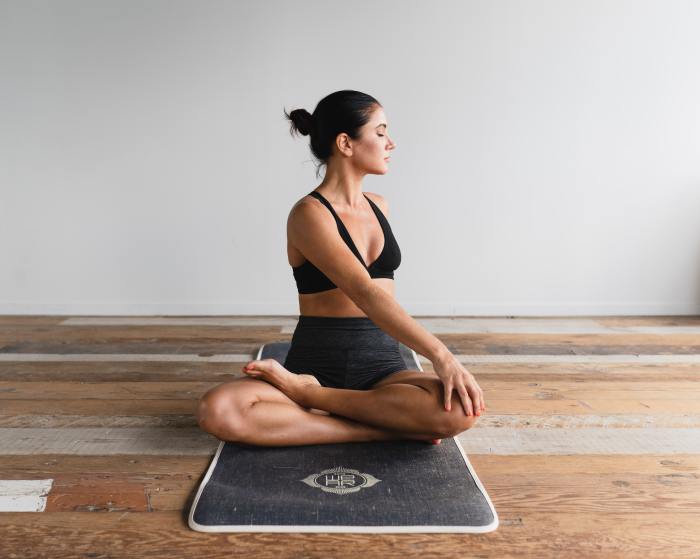
  • Yoga
  • Squats
  • Wall push-ups
  • Side-lying leg lift left
  • Side-lying leg lift right
  • Butt bridge
  • Claps over the head
  • Planking
  • Jump rope
  • Toe touches
  • jog

Before you execute these exercises, make sure to stretch your body properly for five minutes to avoid any leg or knee injuries. The purpose of stretching your body before exercising is to prepare your body for muscle movements. 

2. Daily Household Chores

By doing common household chores, you can already lose weight. It may be just cleaning your room or the whole house. In cleaning the bedroom, one performs tasks like arranging the study table, sweeping the floor, changing the bed sheet, segregating laundry, and wiping dust off the window. By just doing some of these, the body releases sweat, which means that you are burning 1/8 of your fat and the chemicals.

The same thing happens when cleaning the whole house and doing other household chores. By releasing large amounts of sweat, fat is burned, and this can be done every morning right after taking a quick 10 to 11 minutes exercise. This kind of activity is for those women who love to stay at home, and who are more comfortable working out at home. 

3. Try Zumba 

Zumba is like Belly dancing but has random and dynamic dance steps that require the body’s energy. You can do this even if you are just at home by turning on the music and moving your body until it releases sweat. It will take 10-15 minutes for your body to start sweating which won’t cause you any pain. This exercise can help you not just by burning fat but by also releasing toxins inside your body.

Zumba can be done for 1 hour a day. After 1 hour, you will feel more energetic. This is also a workout that can be done by women of all ages and shapes. You can also join some Zumba groups that would usually dance together with their leading dancer in the front. The advantage of Zumba dancing with a group is that you don’t have to think of a step, because it’s your leader’s task and all you have to do is to follow who’s in front of you.

4. The small workout you can do while doing small task

Who said you can’t do a workout while doing something else? Of course, you can! A new study has found that Jumping rope for 3 minutes helps the heart to be healthier. Also, a four to six-minute-sprint is much better than spending 40-60 minutes workout. The fun part is that you can do these activities at home with your family or friends every day.

Dumbbells are also advisable since it allows one to multitask. You can use a dumbbell while reading, sweeping the floor, or even while cooking dinner. Wall push-ups can be done too while you are preparing lunch or doing your laundry using a washing machine. These activities can help you stay in shape and at the same time, you can also spend quality time with your family or with your friends.

Photo by Elena Kloppenburg

5. Proper sleep schedule 

Women nowadays love to work hard like men, and there’s nothing wrong with that. However, make sure that your hectic work life is not affecting your physical appearance, but that seems impossible, right? well, it’s not impossible. Remember that how we look does matter when we are interacting with different clients, that’s why it is important to never ignore your beauty sleep.

Concealers won’t be able to hide our dark circles or any blemishes we have on our skin. Therefore, making a proper sleep schedule will be an advantage despite our hectic work schedule. Try to set a specific time on your phone, like an alarm at 8:00 PM. That time will be your alarm or reminder to remind your bedtime and also set your alarm clock early in the morning like 6:00 AM.

That is exactly 8 hours of sleeping, which is the required sleeping hours that our body will need to have a complete process of repairing our damaged tissues, and replacing our brain and blood cells. Lack of sleep can cause dark circles, blemishes, and redness on our skin, that’s why taking 8 hours of sleep is a must. Apply this to your night routine and you’ll be waking up with a youthful glow every morning within a few weeks.

6. Identify your comfort

Of course, you need to identify your comfort to be able to fall asleep according to your bedtime schedule. Before anything else, make sure that you have a nice, comfy, and firm mattress because it’s your tool to sleep continuously throughout the night and you need to know the exact bed size dimensions to provide enough space for your body to stretch.

Photo by Susan Wilkins

Aside from your mattress, you will also need some comfy pillows where you can place your head comfortably to avoid waking up with a headache and feeling tired. Make sure to remove those possible sleep-stealers such as your TV, computer, and electronic gadgets. Your comfort inside your sleeping environment is the key to waking up feeling and looking fresh.

7. Proper food and diet

Workout is nothing without eating the proper healthy food. You should practice your workout sleeping habits with some healthy food to see the results right after two to three weeks. Some of the proper and healthy food that you can eat are:

Photo Brooke Lark
  • Whole eggs
  • Spinach, Swiss
  • chards, Kale
  • Collards
  • Salmon
  • Broccoli
  • Cauliflower
  • Cabbage
  • Brussels sprouts
  • Lean beef and pork
  • Chicken breast
  • Boiled potatoes
  • Tuna, Beans
  • Legumes
  • Soups
  • Cottage cheese
  • Avocadoes
  • Apple cider vinegar
  • Nuts, Whole grains
  • Chili pepper
  • Fruits
  • Coconut oil
  • yogurt.

You can add any of those food listed above to your diet since those are all low in calories. You need to avoid food that is high in cholesterol and has a high level of trans fat. Most women who are trying to maintain their shape misunderstand the word “Diet” which is why it often leads to illness. A common disease brought about by diet malpractice is ulcers due to an individual’s unnecessary refusal of food consumption. The idea of a diet is to control the amount of food intake of an individual and not stop it.

A proper diet may involve eating the right food that is listed above and eating less food that is high in cholesterol. Eating three meals a day and avoiding extra meals can be a huge help too to minimize your weight and maintain your body shape. 

There is no shortcut to a natural body shape and youthful glow, you need to be disciplined enough to be able to see the result. Those workouts that are mentioned above will take a few weeks or months to see the expected result, and you will need to continue to make sure that you will have a consistent body shape and maintain your glow to make you look younger than your age.