
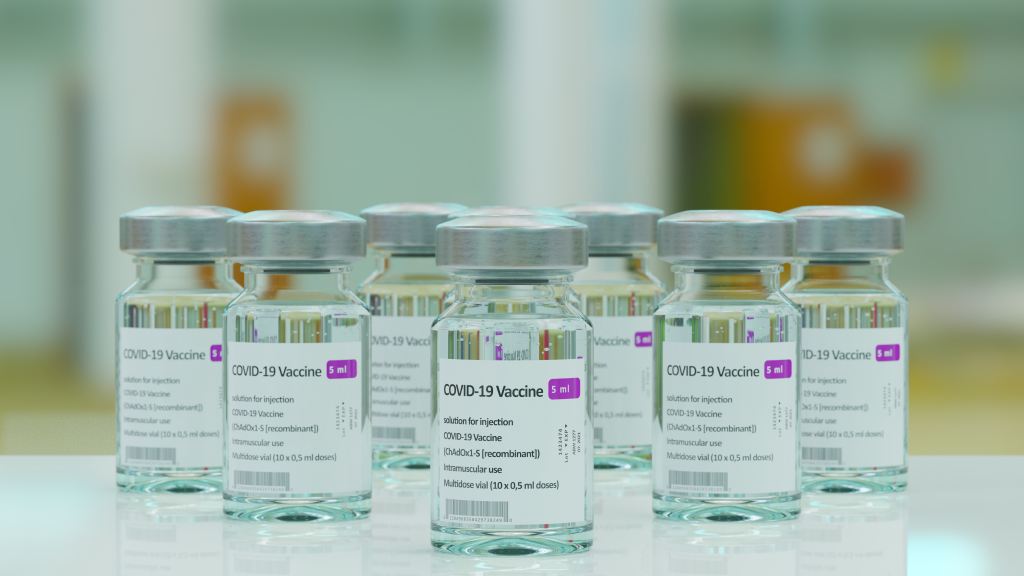
“Why do we need vaccines?” is a question that has become increasingly relevant in recent times, as the world grapples with the COVID-19 pandemic and the importance of vaccination in preventing the spread of the virus.
One of the best methods we have for preventing infectious diseases is vaccination. They function by triggering the immune system to create antibodies that can identify and combat particular infections. Polio, measles, and smallpox are only a few of the deadly diseases whose prevalence has been significantly decreased because of vaccinations. We shall examine the advantages of vaccines and the data proving their efficacy in this post.
Vaccines protect individuals from disease
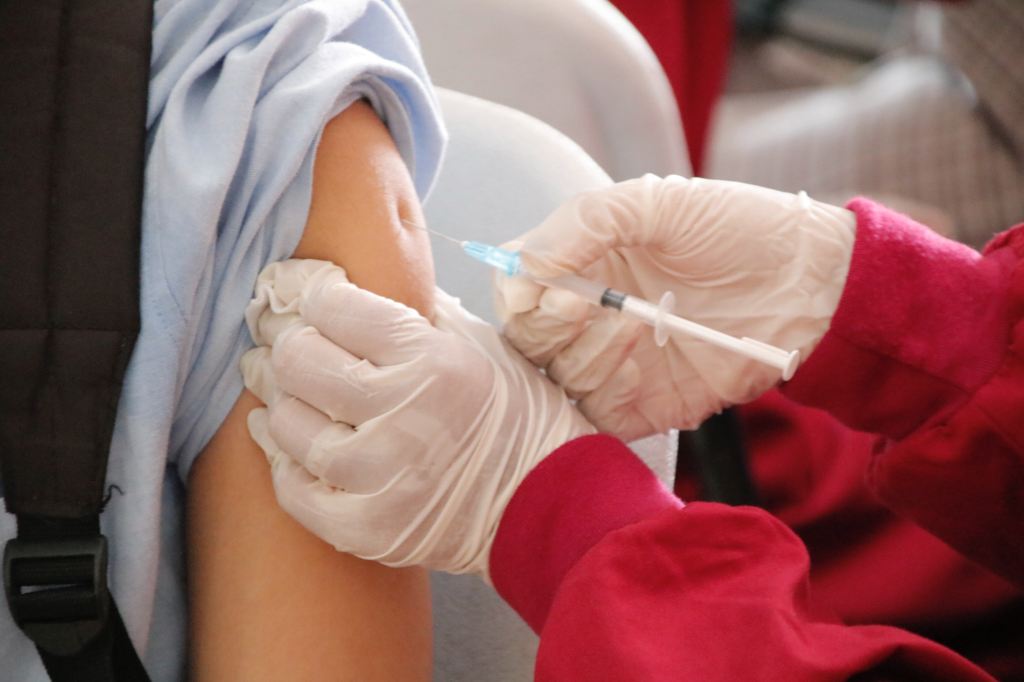
The main advantage of immunizations is that they keep people healthy. By encouraging the immune system to develop antibodies that can recognize and combat particular invaders, vaccines work to prevent illnesses. This implies that those who have received the vaccination have a lower risk of becoming ill if they are exposed to the disease.
The measles vaccine, for instance, is very successful at preventing measles. Two doses of the measles vaccine are roughly 97% effective at preventing measles, according to the Centers for Disease Control and Prevention (CDC). Therefore, those who have received the measles vaccine have a significantly lower risk of becoming ill if they are exposed to the virus.
Vaccines protect communities from disease
In addition to protecting individuals, vaccines also protect communities from disease. When a large percentage of the population is vaccinated, it creates herd immunity, which means that the disease is less likely to spread. This is because the virus or bacteria has fewer opportunities to infect people who are vaccinated.
For instance, the polio vaccine played a crucial role in the eradication of polio in many regions of the world. This is due to the fact that the poliovirus has fewer opportunities to spread when a significant portion of the population is immunized. This safeguards not just those who have received the vaccination but also those who cannot receive it, such as infants and those with compromised immune systems.
Vaccines are safe and effective
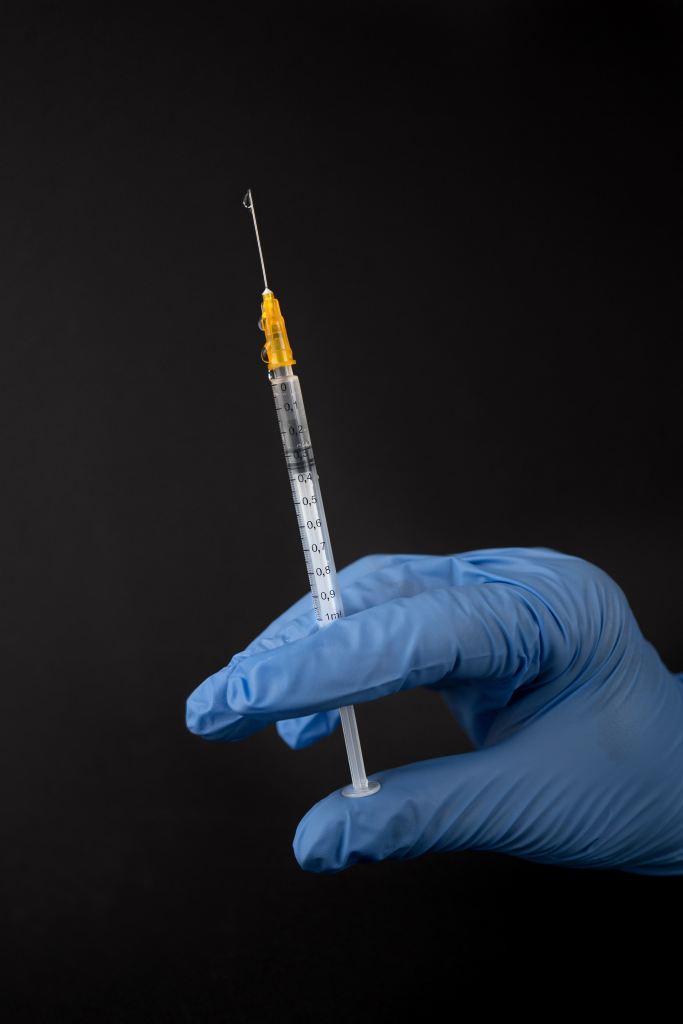
Before becoming effective and safe for use, vaccines undergo extensive testing. To guarantee that vaccines are both safe and effective, the FDA mandates extensive testing on both humans and animals. Numerous clinical trials that involve thousands of participants are part of this testing.
Vaccines are among the safest medical medicines currently on the market, according to the CDC. Serious adverse effects are uncommon, and immunization has many more advantages than disadvantages. The CDC adds that vaccines are continuously examined for safety, and any issues are carefully looked into.
Vaccines save lives and reduce healthcare costs
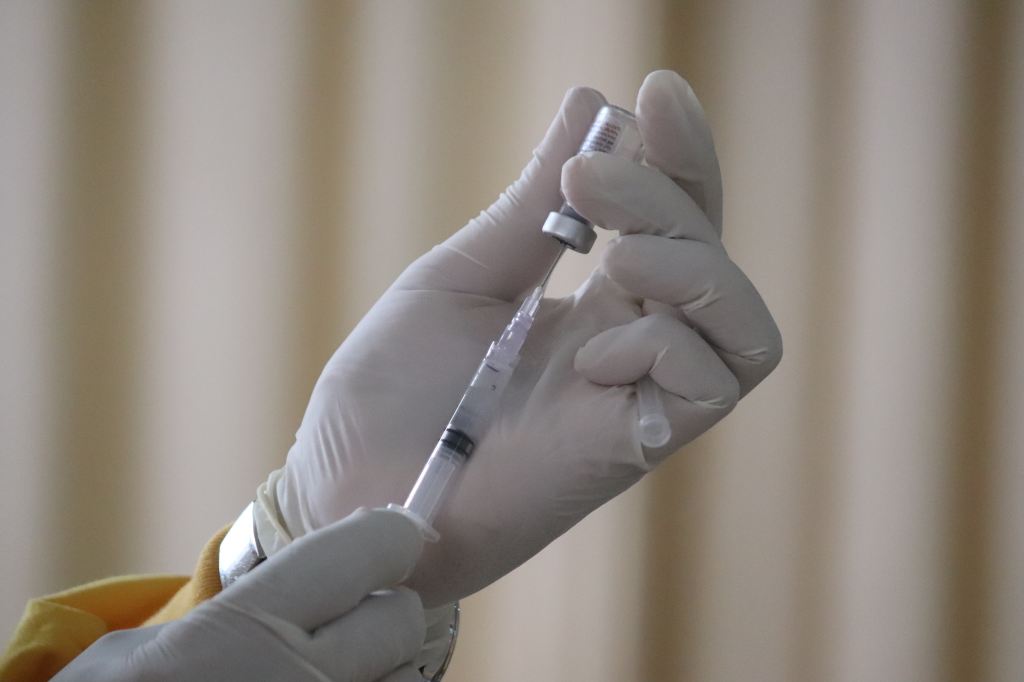
Polio, measles, and smallpox are only a few of the deadly diseases whose prevalence has been significantly decreased because of vaccinations. Because of this, morbidity and mortality from these diseases have significantly decreased. For instance, the CDC estimates that since 2000, the measles vaccination has helped to avert 200 million instances of the disease as well as 4.5 million fatalities.
Vaccinations not only save lives but also save money on medical expenses. There are fewer hospitalizations and medical costs when fewer people get sick. For people, families, and healthcare systems, this can result in huge financial savings.
Therefore, one of the best methods we have for preventing infectious diseases is vaccination. They are safe and effective, save lives, lower healthcare costs, and protect individuals and communities from disease. It is vital to discuss any vaccine-related concerns you may have with your healthcare professional. They can give you accurate information and support your decision-making on immunization.
References:
- Centers for Disease Control and Prevention. (2021). Vaccine safety. Retrieved from https://www.cdc.gov/vaccinesafety/index.html
- Centers for Disease Control and Prevention. (2021). Measles vaccination. Retrieved from https://www.cdc.gov/measles/vaccination.html
- Centers for Disease Control and Prevention. (2021). Polio vaccination. Retrieved from https://www.cdc.gov/polio/vaccination.html
- World Health Organization. (2021). Immunization coverage. Retrieved from https://www.who.int/news-room/fact-sheets/detail/immunization-coverage