

People are always looking for practical solutions to enhance their health and lengthen their lives in today’s fast-paced society. A remarkable method that not only helps people lose excess weight but also unleashes a wealth of health advantages is intermittent fasting.
This article will explore the benefits of intermittent fasting that are supported by science and give you insightful information on how it might improve your life. Prepare to learn why this age-old technique is becoming more popular and how it might improve your physical and emotional health.
What is Intermittent Fasting?

Before discussing the benefits of intermittent fasting, let’s first examine its intricacies. Intermittent fasting may be defined as an eating pattern that alternates between periods of fasting and eating.
Contrary to traditional diets, intermittent fasting emphasizes when you eat rather than what you eat. Since ancient times, humans have practiced this habit as a way to provide our bodies vitality and enhance overall health.
Here are the Four Intermittent Fasting Benefits:
Intermittent fasting has numerous benefits that have been backed by scientific research. Here are some of the most compelling reasons why people turn to intermittent fasting:
1. Increased Weight Loss and Metabolic Function

Intermittent fasting has received interest because of its capacity to promote weight reduction and improve metabolic function. According to research by Mattson and his coworkers (2014), intermittent fasting increases metabolism and encourages fat burning, which leads to considerable weight reduction and a drop in body fat percentage.
2. Hormone Regulation and Improved Insulin Sensitivity
Another advantage of intermittent fasting is how it affects hormone balance, especially in terms of controlling appetite. Intermittent fasting may help manage important hormones like ghrelin and leptin, which can lessen cravings and enhance appetite control, according to studies cited by Varady et al. (2011). Moreover, studies by Gabel and his group from 2019 show that fasting improves insulin sensitivity, which is good for general health.
3. Cellular Renewal and Autophagy
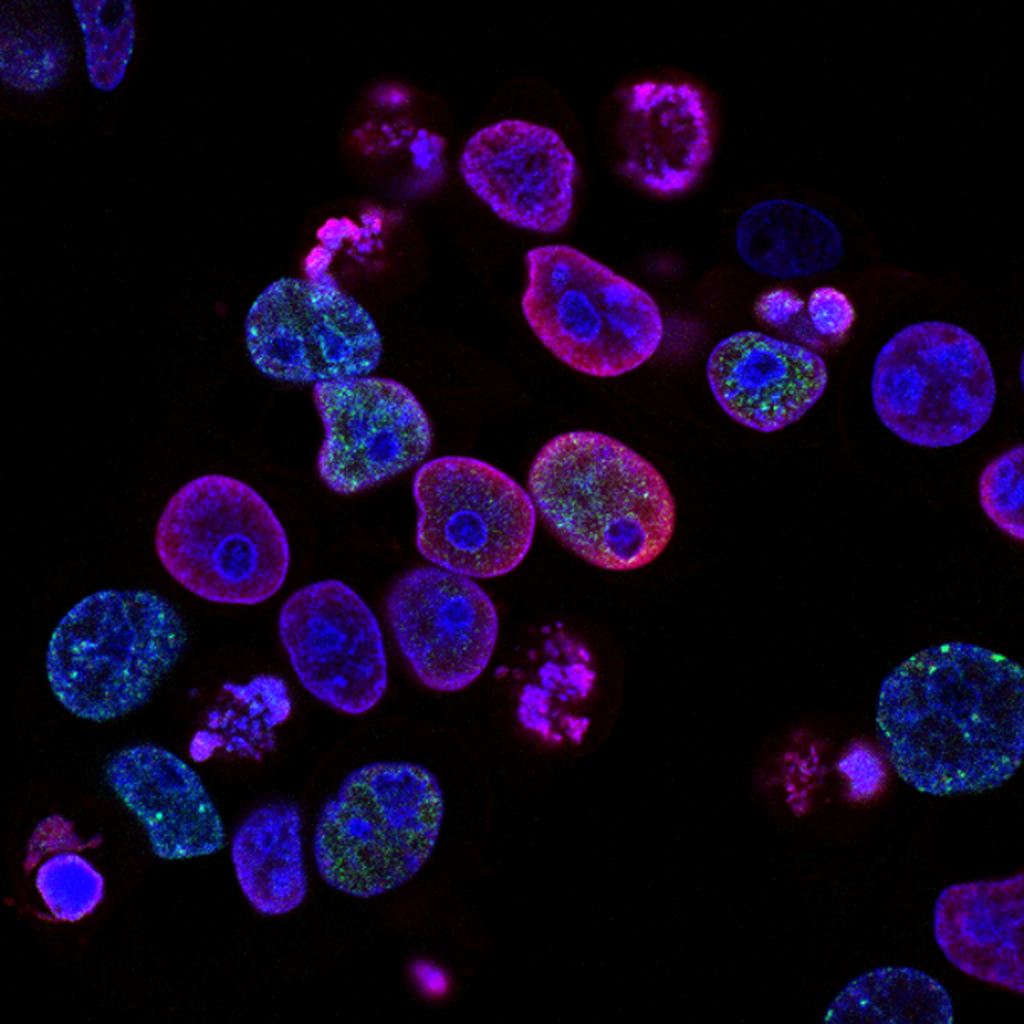
Autophagy, a cellular repair process triggered by intermittent fasting, has gained attention for its potential health benefits. During fasting, the body goes through a self-cleansing mechanism, recycling and rejuvenating damaged cells and proteins.
This cellular renewal process has been linked to the prevention of various diseases, such as neurodegenerative conditions. Alirezaei and his colleagues (2010) found that short-term fasting induces profound neuronal autophagy, highlighting the potential benefits for cellular health.
4. Enhanced Brain Function and Mental Clarity

Intermittent fasting has demonstrated potential in fostering ideal brain health in addition to its impacts on weight loss and metabolism. According to Mattson (2014), intermittent fasting has been linked to enhanced cognitive function, memory, and learning ability.
Energy consumption and exercise both play critical roles in maintaining brain health. Additionally, studies point to a possible link between fasting and a lower risk of neurodegenerative diseases including Alzheimer’s and Parkinson’s.
How to do Intermittent Fasting?

Harris (2018) explains intermittent fasting as a dietary strategy that entails alternating between times of fasting and eating in a blog post. The 16/8 approach, in which people fast for 16 hours and eat inside an 8-hour window, is one well-known technique stated.
Another strategy that has been mentioned is the 5:2 method, in which people eat normally for five days and limit their caloric intake to 500–600 calories on two separate days.
Finding the intermittent fasting technique that works best for you and easing into it gradually is crucial, say Patterson and Sears’ (2017) research, in order to prevent any harmful impacts. Additionally, they stress the value of consuming calorie-free drinks like water, coffee, and tea during fasting in order to keep hydrated.
In addition, it is advised to keep up a healthy, balanced diet throughout the eating window to guarantee optimal nutrient intake. Before implementing any new dietary strategy, it is usually advisable to get medical advice (Patterson & Sears, 2017).
In conclusion, there are several advantages of intermittent fasting that go beyond weight reduction. Intermittent fasting has been shown to accelerate cellular repair, control hormones, enhance metabolic function, and improve brain health.
As usual, seeking advice from a medical expert is crucial before beginning any new dietary regimen. Keep in mind that not everyone can benefit from intermittent fasting, and requirements might vary.
References:
Mattson, M. P., Longo, V. D., & Harvie, M. (2014). Impact of intermittent fasting on health and disease processes. Ageing Research Reviews, 39, 46-58.
Varady, K. A., Bhutani, S., Klempel, M. C., Kroeger, C. M., Trepanowski, J. F., Haus, J. M., … & Calvo, Y. (2011). Alternate day fasting for weight loss in normal weight and overweight subjects: a randomized controlled trial. Nutrition Journal, 10(1), 1-10.
Gabel, K., Hoddy, K. K., Haggerty, N., Song, J., Kroeger, C. M., Trepanowski, J. F., … & Mattson, M. P. (2019). Effects of 8-hour time restricted feeding on body weight and metabolic disease risk factors in obese adults: A pilot study. Nutrition and Healthy Aging, 4(4), 345-353.
Alirezaei, M., Kimball, C. C., Flynn, C. T., Wood, M. R., Whitton, J. L., & Kiosses, W. B. (2010). Short-term fasting induces profound neuronal autophagy. Autophagy, 6(6), 702-710.
Harris, L. (2018). Intermittent fasting: What is it and how does it work? Medical News Today. Retrieved from https://www.medicalnewstoday.com/articles/321690
Patterson, R. E., & Sears, D. D. (2017). Metabolic effects of intermittent fasting. Annual Review of Nutrition, 37, 371-393. doi: 10.1146/annurev-nutr-071816-064634