
In today’s fast-paced world, it’s crucial to shed light on the profound impact drugs and alcohol have on mental health. Beyond the surface-level pleasures or distractions they may offer, these substances wield a powerful influence that can significantly compromise our mental well-being. This article delves deep into the intricate relationship between drugs, alcohol, and mental health, exposing the harrowing consequences they can bring to individuals and society at large.
Understanding the Connection:
The connection between drugs, alcohol, and mental health cannot be overlooked. Research consistently demonstrates that substance abuse and mental health disorders often go hand in hand. Studies reveal that those struggling with mental health issues are more prone to turn to drugs and alcohol as a form of self-medication, seeking comfort or temporary relief from their emotional pain.
The Vicious Cycle:
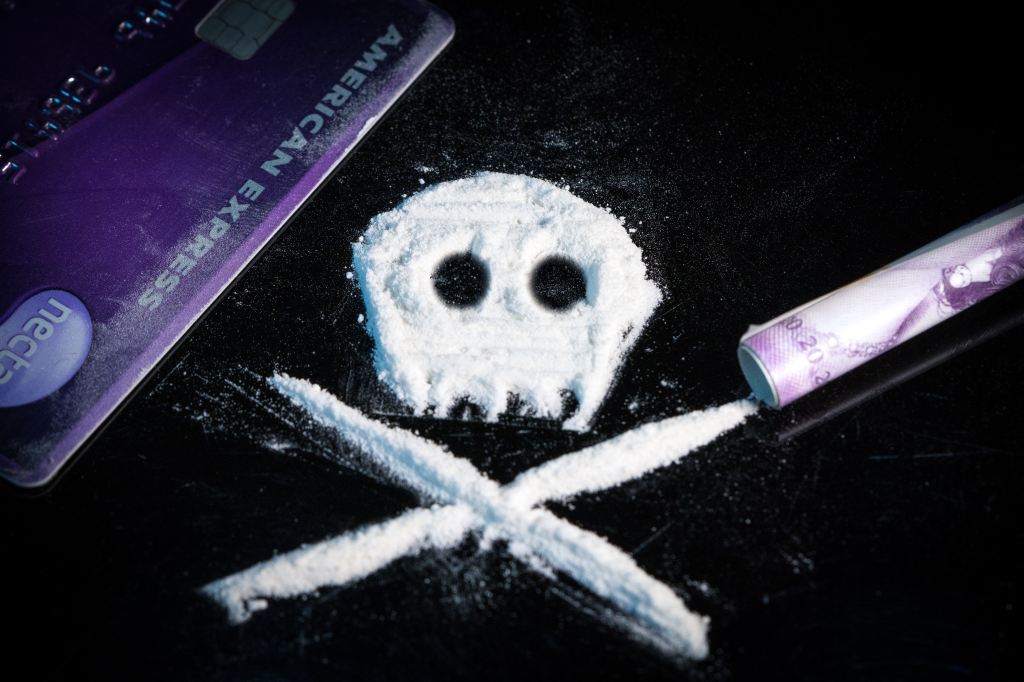
People become caught in a cycle of misery due to the connection between substance misuse and mental health. Abuse of substances can worsen depressive episodes, exacerbate mental health symptoms, and raise the risk of suicide. On the other side, people who struggle with mental health illnesses could purposefully turn to drugs or alcohol to escape their reality, thus worsening their conditions.
Chemical Interactions:
To grasp the full extent of these harmful effects, we must explore the chemical interactions that transpire within the brain. Drugs and alcohol alter the levels of neurotransmitters, disrupting the delicate balance responsible for mood regulation. This imbalance can lead to anxiety, depression, heightened aggression, and impaired cognitive functions, perpetuating the cycle of addiction and mental health deterioration.
Co-Occurring Disorders:

When a mental health problem and a drug use disorder co-exist, this condition is referred to as co-occurring disorder or dual diagnosis. Diagnoses, treatments, and rehabilitation face particular difficulties as a result of these coexisting illnesses. To treat the intricacies of both conditions concurrently and give people the best opportunity for long-term rehabilitation, comprehensive dual-diagnosis programs are crucial.
Impact on Society:
Substance misuse has a ripple effect on mental health that affects not just the individuals who use it directly but also their families, communities, and the healthcare system. The strain on relationships, the financial burden, and the rising demand for mental health services show the urgent need for comprehensive strategies that support early detection, education, and affordable treatment alternatives.
Breaking the Chains:

While the impact of drugs and alcohol on mental health may seem bleak, it’s vital to emphasize that recovery is possible. With the right support, resources, and a willingness to embark on the journey to healing, individuals can break free from the clutches of addiction and reclaim their mental well-being. Rehabilitation centers, therapy, support groups, and community initiatives play pivotal roles in fostering hope and providing effective solutions.
Conclusion:
In summary, the adverse effects of drugs and alcohol on mental health are serious issues that demand our immediate attention. Understanding the complex relationship between drug addiction and mental health can help us all take action to address this widespread issue. To treat the underlying causes of addiction and mental health issues, it is essential that we give priority to education, prevention, and creating a support network. It is possible to overcome a drug or alcohol addiction. People may escape the grip of addiction and regain their mental health with the correct support, tools, and personal dedication to start rehabilitation. Rehabilitation facilities, counseling, support networks, and neighborhood projects are crucial in creating optimism and offering practical answers.
Through these efforts, we can create a society that offers a path toward recovery and nurtures mental health. Let us strive to dismantle the stigma surrounding addiction and mental health, and instead foster understanding, empathy, and support for those affected. Together, we can build a future where individuals are empowered to lead healthier, happier lives and where mental health is given the importance it deserves. Remember, it is within our collective power to unravel the detrimental effects of drugs and alcohol on mental health. Let us act now and pave the way for a brighter future for ourselves and for generations to come.